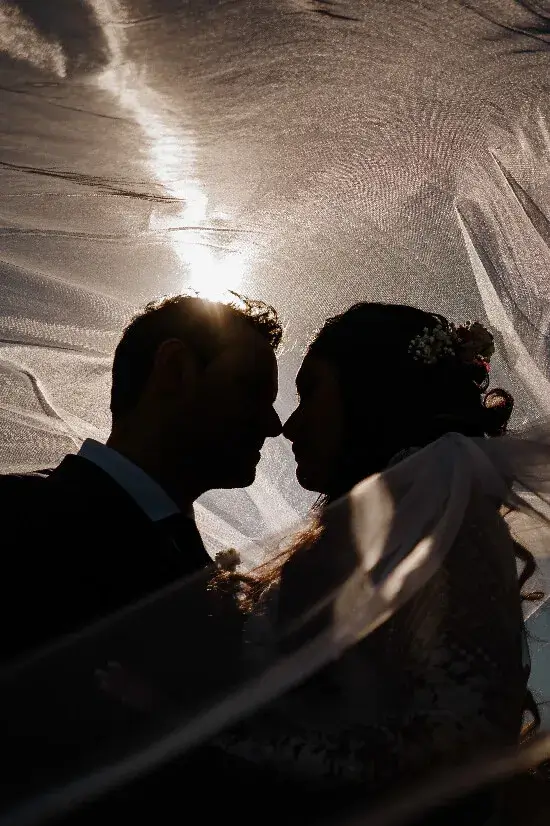
You saved the windswept veil, the blurry dance-floor kiss and that impossibly elegant portrait on a staircase. Beautiful. Now comes the useful question: would you enjoy the kind of wedding day it takes to make those pictures?
Choosing your wedding photography style is partly about the photographs and partly about the experience. Some frames happen while you are busy celebrating. Others need a little direction, a particular patch of light or a few minutes away from the party. Understanding that difference makes the search for your photographer much easier.
Start with how you want the day to feel
Before comparing editing styles, finish this sentence together: “We want to spend our wedding day…” Perhaps the answer is talking to everyone, dancing until late or making time for extraordinary portraits. There is room for all three, but your priorities should shape the photography plan.
A useful first conversation is about direction. Would you appreciate someone telling you where to put your hands? Or would you rather forget the camera most of the time? Neither answer makes you more photogenic. It simply helps you find someone whose way of working suits you.
Documentary: the moments you could never put on a shot list
Documentary coverage centres on observation: a reaction during a speech, a child investigating the cake, a quiet hand squeeze under the table. The photographer anticipates and frames what happens rather than asking people to repeat it.
Look beyond the big laugh in a portfolio. Do the quieter images tell you who these people are to one another? Can you follow the day? And ask how the photographer handles family portraits and couple photographs. A documentary approach can coexist with time specifically set aside for directed pictures.
Editorial: when you enjoy a little direction
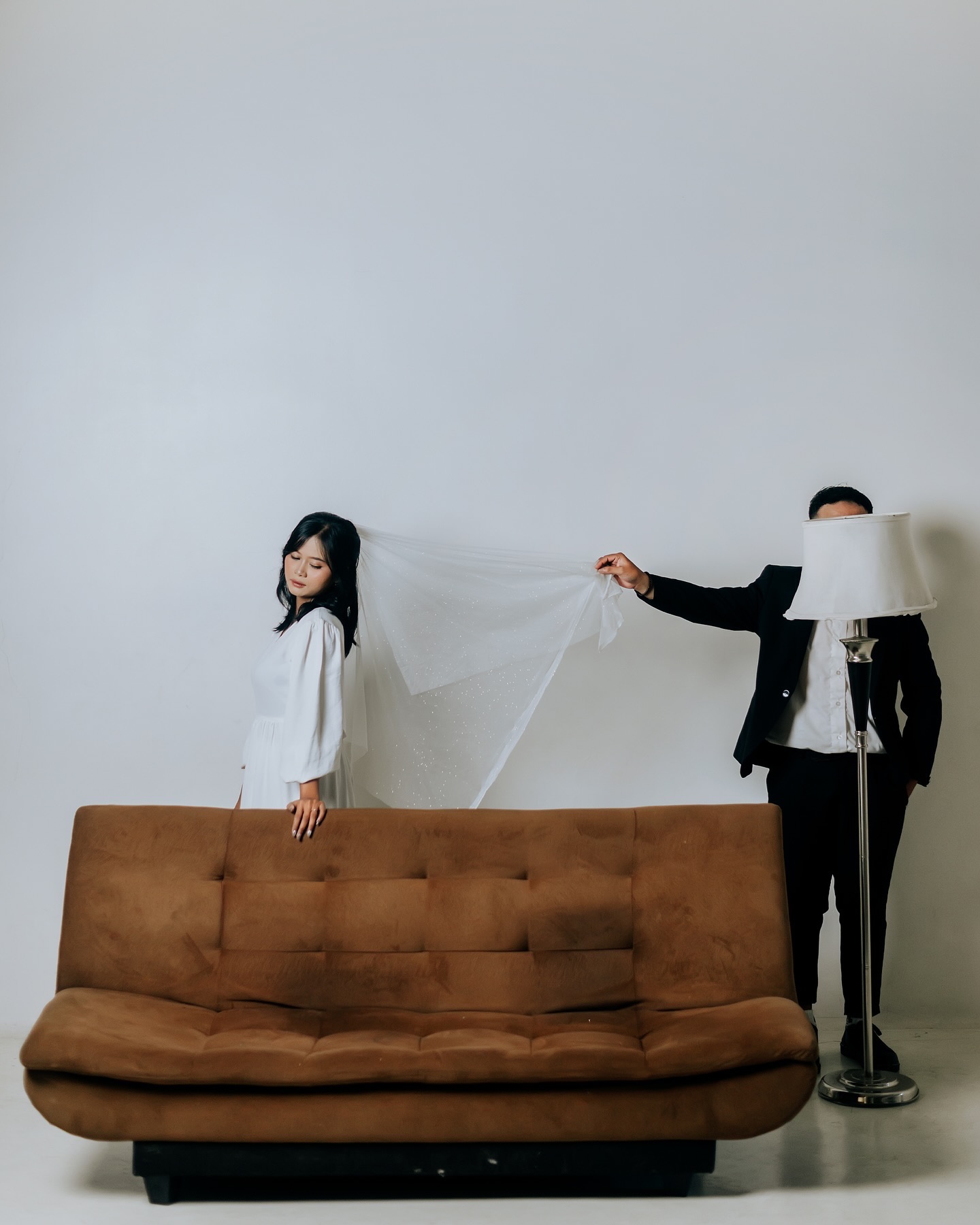
Editorial wedding portraits often use deliberate posing, clothing, light and location to build a photograph. If you love a strong silhouette, a dramatic staircase or a beautifully arranged group portrait, this may be part of what attracts you.
The practical question is how that work fits your celebration. Ask what a portrait session usually involves and how much time the photographer would suggest for your venue. A picture that looks effortless may have needed patient adjustments. Knowing that beforehand lets you enjoy the process.
Classic portraits still have a place
A straightforward photograph of you with the people you love may never be the most dramatic image on your mood board. It can still become one of the most precious.
Make a short, specific list of essential groups. Share names, family sensitivities and any accessibility needs privately with your photographer. Ask someone who knows the guests to help gather each group. That small amount of preparation protects time for the rest of the day.
Colour is a separate conversation
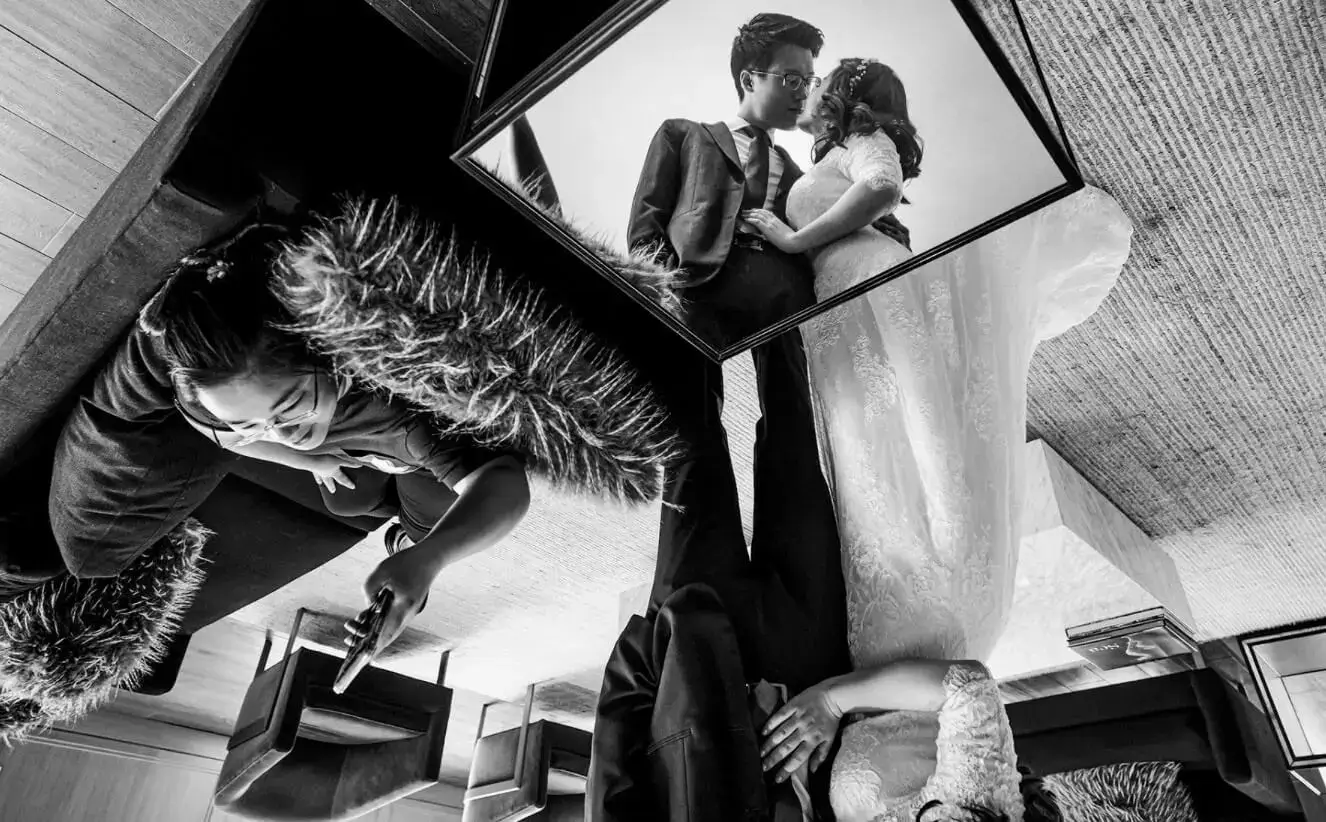
Warm colour, deep shadows, soft contrast and black and white describe aspects of the finished image. They do not, by themselves, tell you whether the moment was observed or directed. As Junebug Weddings explains in its guide to photography styles, a photographer’s work can blend several approaches.
Ask to see complete wedding galleries with lighting similar to yours. A sunny outdoor ceremony does not show you what candlelit dinner photographs will look like. Pay attention to skin, white clothing, darker suits and the atmosphere after sunset. You are choosing a whole story, not just its cover.
Turn your saved photos into a useful brief
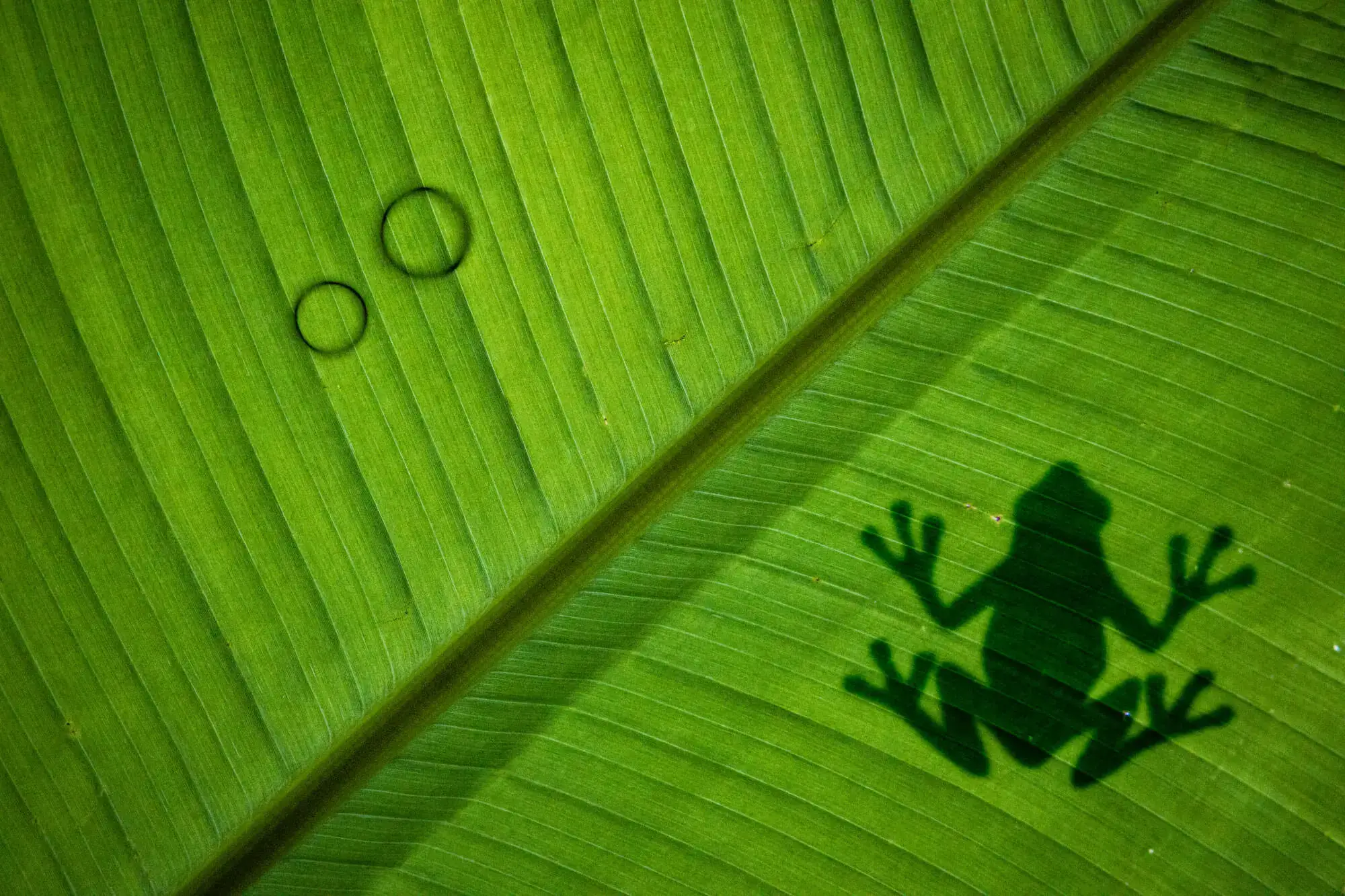
Choose a small selection and write one sentence about each: “We love the closeness,” “We like seeing the landscape,” or “We want the party to feel this lively.” Those observations give your photographer more useful information than asking for exact copies.
For a creative reference, explore our selections of black and white bridal portraits and double exposure wedding photographs. Treat them as starting points for a conversation about your own day.
Five questions to ask before booking
- Can we see a complete gallery from a wedding with similar light and timing?
- When do you give direction, and when do you work without intervening?
- How would you fit portraits and family groups into our plans?
- What happens if the weather changes or the schedule runs late?
- What is included in the quoted coverage, delivery and image-use terms?
The right style is one you love looking at and feel comfortable being photographed in. When those two things meet, you can stop auditioning for your own wedding photos and get back to celebrating.