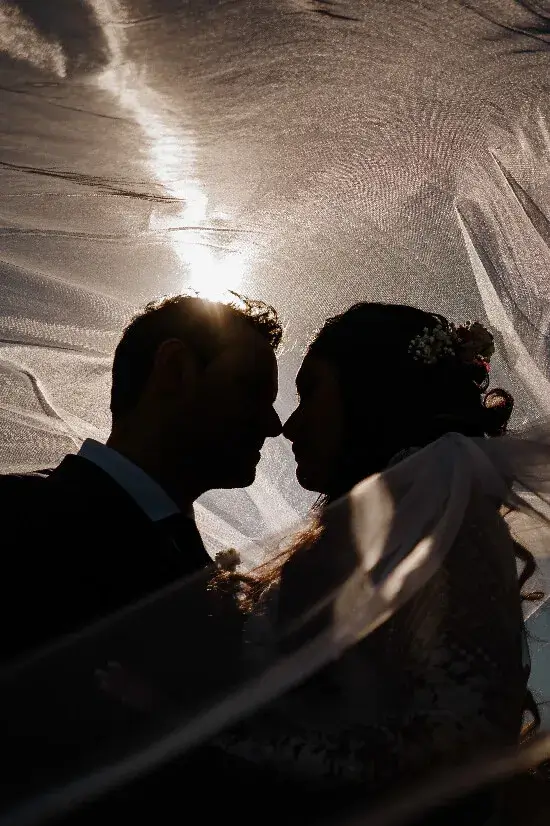
A favourite photograph earns its place by being strong on its own. A useful sequence has another job: making the photograph before it and the photograph after it feel connected. Thinking in small groups can help you move from a folder of highlights to a story somebody wants to keep reading.
Start with a question the next frame can answer
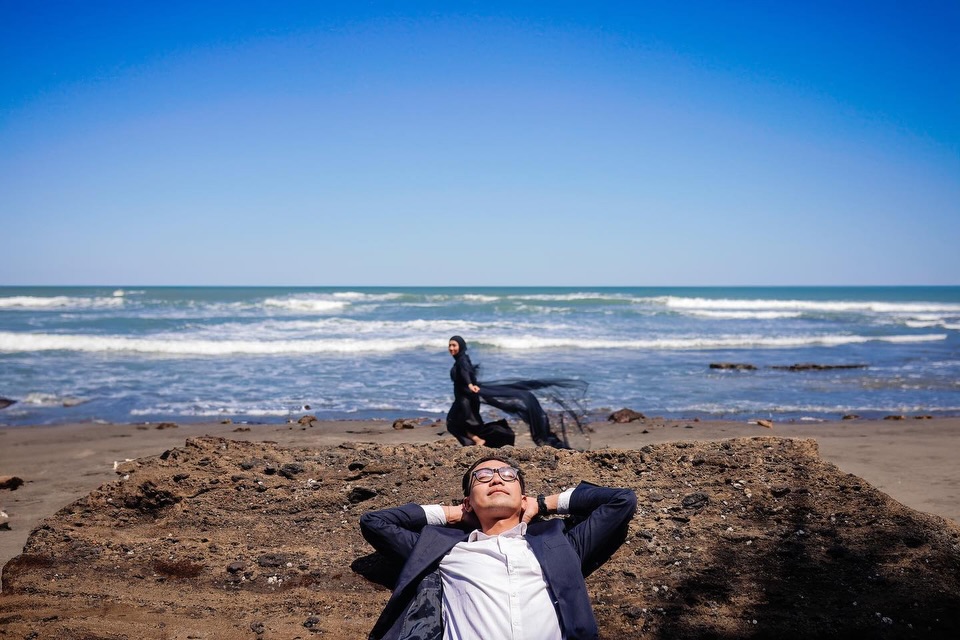
A view of a place makes us wonder who is there. A close portrait makes us wonder what surrounds the person. A detail makes us wonder who it belongs to. You do not need to resolve every question immediately; a little curiosity is part of the pleasure of looking.
Paramount Photography’s beach portrait introduces a place through two different distances: a reclining figure close to the camera and another person nearer the sea. It opens a visual question about their relationship to each other and to the setting.
Change distance or energy
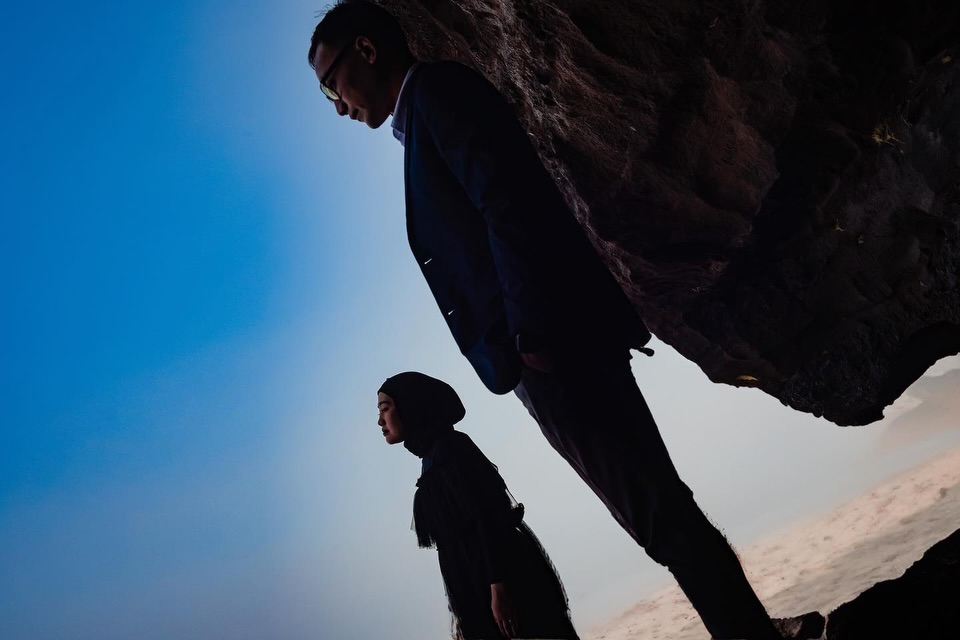
The tilted portrait beside a rock changes the angle and the balance of the figures against the sky. That shift gives the next frame a different job. You can create variation through viewpoint and distance without needing a new location for every photograph.
Be cautious about sequences that imply events happened in an order you cannot verify. These photographs are shown as an editorial comparison of visual approaches, not as a chronological account of one wedding. In documentary delivery, preserving honest context matters more than manufacturing a convenient storyline.
Finish with a change that feels earned
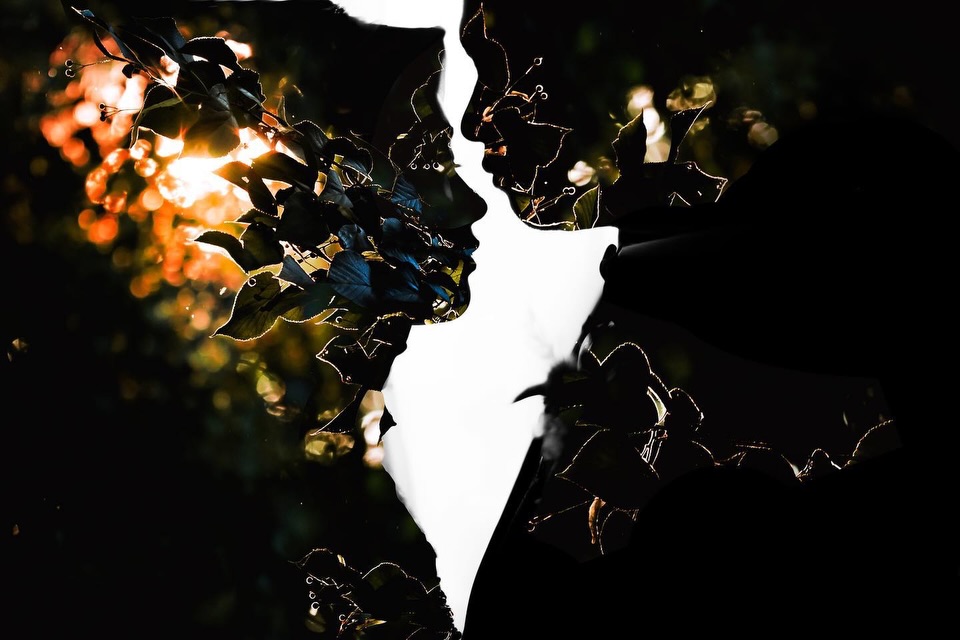
The close, layered silhouettes offer a more abstract ending. Faces and warm light replace the clear beach setting. In a gallery, a similar change of pace might move from an expansive view to a small gesture, giving the sequence a reason to finish rather than simply stop.
Try choosing just three images from your own set. Write one sentence about the job of each. If all three do the same job, consider replacing one. Repetition can be intentional, but it should add something—a developing gesture, a shift in expression or a clearer sense of time.
This exercise is useful for social carousels, album spreads and full wedding galleries. The aim is not to make every group follow a formula. It is to notice how order changes meaning, and to give the viewer enough variation to stay curious.
Keep exploring
View Paramount Photography’s carousel, then explore our guide to colour across a gallery.